
Understanding gambling basics A beginner's guide to winning strategies
- Written by admin
- Published in Public
- Leave a reply
- Permalink
Understanding gambling basics A beginner's guide to winning strategies
Introduction to Gambling
Gambling is an activity that involves risking money or valuables on an event with an uncertain outcome, often driven by the desire to win a profit. This practice has been around for centuries and takes various forms, from traditional casino games like poker and blackjack to modern online betting and sports wagering. For beginners, understanding the fundamental principles of gambling is crucial to making informed decisions and developing winning strategies. Among popular applications that facilitate this are platforms like Pikashow, which offer a myriad of content to engage users.
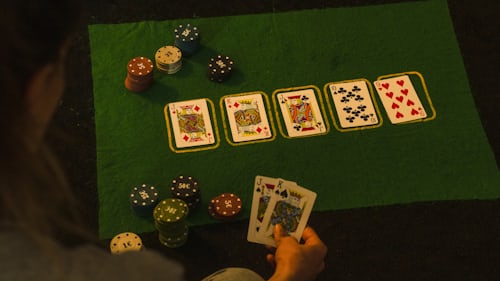
The thrill of gambling often lies in the uncertainty and unpredictability of the outcomes. It is essential for beginners to recognize that gambling is not merely about luck; skill, strategy, and a thorough understanding of the game play a vital role. By educating themselves about different types of gambling and the odds involved, novices can significantly improve their chances of success.
It’s also important to note the legal aspects of gambling, as regulations vary widely from place to place. Beginners should familiarize themselves with local laws concerning gambling to avoid any legal issues. Additionally, understanding the psychological components, such as managing emotions and recognizing the risks involved, can also enhance a beginner’s gambling experience.
Types of Gambling Games
Gambling games can be broadly categorized into three types: games of chance, games of skill, and sports betting. Games of chance, such as slots and roulette, rely primarily on luck, while games of skill, like poker and blackjack, require strategy and decision-making. Understanding these categories helps beginners to choose the type of game that suits their strengths and preferences.
Many beginners often gravitate toward games of chance due to their simplicity and fast-paced nature. However, games of skill can be more rewarding in the long run for those willing to invest time in learning strategies and honing their skills. Online platforms and tutorials make it easier than ever for new players to grasp these skills before placing real bets.
Sports betting offers another exciting avenue, where bettors wager on the outcomes of sporting events. This type of gambling requires an understanding of the sport, statistics, and often involves strategic analysis to improve the odds of winning. Each type of gambling presents its unique challenges and rewards, making it essential for newcomers to explore and find their niche.
Understanding Odds and Payouts
Understanding odds is critical for any beginner in the gambling world. Odds represent the probability of a particular outcome occurring and dictate how much a bettor stands to win based on their wager. Different games have different ways of expressing odds, such as fractional, decimal, or moneyline, and familiarizing oneself with these formats can aid in making better betting decisions.
Payouts are directly linked to the odds and indicate how much money a player can expect to receive from a winning bet. For example, a game with higher odds typically means a less likely outcome, but a more substantial payout if you win. Beginners should learn how to calculate potential winnings and understand the concept of value betting, which involves placing wagers when the odds are favorable compared to the actual probabilities.
Moreover, bankroll management is an integral part of understanding odds and payouts. It involves setting limits on how much money you are willing to gamble and ensuring you stick to those limits. This discipline helps to minimize losses and maximize potential gains, making it an essential strategy for long-term success in gambling.
Developing Winning Strategies
Winning in gambling is not just about luck; it requires a well-thought-out strategy. A solid strategy includes understanding the rules of the game, knowing when to bet and when to fold, and managing your bankroll effectively. Many successful gamblers emphasize the importance of patience and discipline, suggesting that beginners take their time to learn and develop their skills before risking significant sums of money.
Research and analysis play crucial roles in developing a winning strategy. For example, poker players often study their opponents’ behaviors, while sports bettors analyze team statistics and player performances. By gathering information and making informed decisions, beginners can enhance their chances of winning and can often spot opportunities that others might miss.
Additionally, practicing regularly, either through free online games or at local casinos, allows beginners to refine their strategies without financial risk. Many successful gamblers have honed their skills through practice and continuous learning, making education a vital part of any winning approach. Utilizing resources such as books, online courses, and discussion forums can further expand one’s knowledge and improve strategies.
Responsible Gambling Practices
While the excitement of gambling can be exhilarating, it is crucial to engage in responsible gambling practices. This entails understanding the risks involved and recognizing when to stop. Setting limits on time and money spent is essential in maintaining a healthy approach to gambling, preventing the activity from becoming a source of stress or financial trouble.
Many gambling organizations advocate for responsible gaming and provide resources to help individuals manage their gambling habits. Features such as self-exclusion, deposit limits, and reality checks can assist players in maintaining control. Beginners should be aware of these tools and utilize them as necessary to ensure that gambling remains a fun and enjoyable pastime.
Moreover, it’s vital to recognize the signs of gambling addiction, such as chasing losses or lying about gambling habits. Seeking help from professionals or support groups is crucial for anyone who feels their gambling is becoming problematic. By prioritizing responsible gambling, beginners can cultivate a sustainable and enjoyable gambling experience.

Conclusion and Resources
As a beginner in the world of gambling, understanding the basics is the first step towards developing winning strategies. From recognizing different types of games to mastering the odds and payouts, the journey to becoming a skilled gambler requires patience, education, and discipline. By incorporating responsible gambling practices, novices can enhance their experience and maintain control over their betting activities.
To further assist newcomers, numerous online resources offer guides, forums, and educational materials tailored to various gambling types. Engaging with these communities not only provides valuable insights but also fosters a supportive environment where beginners can share their experiences and strategies. Ultimately, a well-rounded approach, combining knowledge, practice, and responsibility, will help ensure a positive gambling journey for beginners.